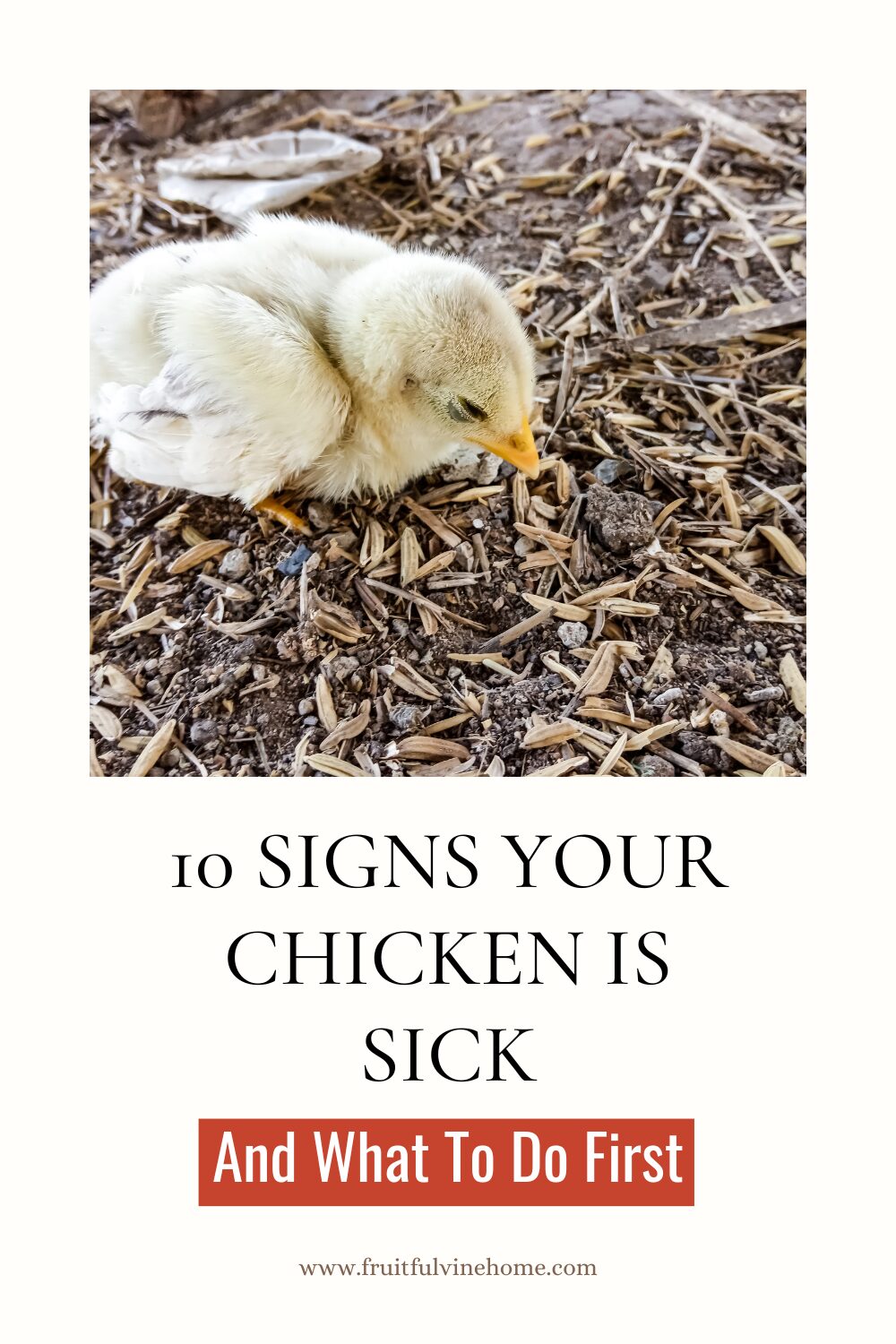
Have you ever noticed the signs your chicken is sick? I remember one morning walking out to the coop and noticing one of my hens just standing off to the side. She wasn’t scratching, wasn’t coming over for treats—just…still. At first, I told myself she was probably fine. But something in me said, “Pay attention.”
As I got closer to my favorite lady, I realized she was definitely NOT okay. Her feathers were puffed up; she could barely hold her head up, much less stand. She seemed fine just a couple of days before, but now? She was lethargic, and no matter what I tried, it didn’t help. Sadly, her story didn’t end well, and she passed the next day.
Most chicken owners I know have a story just like mine. If you’ve ever walked out to the coop and paused for a second because something just felt…off, you’re not alone, and you’re probably right. If you’re an attentive flock owner, you develop an intuition about them, but when you’re a new chicken owner, you often have no idea what to look for until it’s too late.
And even if you are a veteran, chickens can still surprise you! Chickens are SO good at hiding illness. Why? It’s part of how they’re wired because in a flock, if you’re sick, the other chickens will reject you and even bully you to death to protect the rest of the flock. So when something does show, it’s usually worth paying attention to as quickly as possible, because even if an illness isn’t life-threatening, due to the nature of chickens, it makes the sick chicken a target for bullying.
Many of us weren’t taught what to look for in advance; a lot of us weren’t raised on a farm—we’re learning as we go. And that can feel overwhelming in the moment. But the good news is this: Once you know the early signs, you can step in quickly and help your chicken before things get worse.
What You’ll Learn
In this post, I’ll walk you through:
- The most common early signs of illness
- What those signs might mean
- What to do first (without panic)
Let’s walk through this together.
10 Signs Your Chicken Is Sick (And What To Do First)
1. Lethargy or Low Energy
What it might mean:
This is often one of the first signs that your chicken is seriously sick, infected, or even stressed. A lethargic chicken is unnatural—they prefer to be busy, exploring, and pecking around except when they are either sleeping or sunbathing. So if your chicken isn’t doing either of those, is struggling to stand or move their head, something could be wrong.
What to check:
- Is she staying in one spot?
- Not scratching or foraging?
- Eyes dull or half-closed?
- Is her head low, like she cannot lift it herself?
What to do first:
Separate her if needed and make sure she’s warm, hydrated, and safe.
A boost of electrolytes in her water can help support her while you figure out what’s going on. Find Electrolytes Here
2. Not Eating or Drinking
What it might mean:
Loss of appetite can signal anything from stress to crop issues or illness. I wish I could give you specifics, but as you will learn, chickens are infamous for hiding their sicknesses until it’s really bad, so they need us to pay close attention to them.
What to check:
- Is her crop full or empty?
- Is she ignoring treats she normally loves?
- Is there any discharge or odor coming from her beak?
- Does her belly feel full of fluid and squishy?
What to do first:
Encourage hydration first—fluids matter more than food in the beginning.
Try offering water with electrolytes or even gently dipping her beak to remind her to drink. Look for signs of sour crop, water belly, or respiratory failure to determine if other treatments could help.
3. Runny or Unusual Droppings
What it might mean:
Changes in droppings can indicate digestive issues, parasites, or infection.
What to check:
- Color (green, yellow, or bloody)
- Consistency (very watery or foamy)
What to do first:
Keep her area clean and monitor closely.
Adding apple cider vinegar (in small, appropriate amounts) to water regularly is something many chicken keepers use to support gut health. Beyond that, you may need to treat with digestive supplements or scale back on treats. You can also assess if there could be nutritional deficiencies or parasites affecting your flock.
4. Pale Comb or Wattles
What it might mean:
A pale comb can indicate anemia, parasites, or illness. It can also indicate stress. Chickens are easily stressed by ANYTHING.
What to check:
- Has the color faded from bright red to pink or pale?
- Any signs of mites or lice?
What to do first:
If it’s stress, bring your chicken into a warm, quiet place and spoil her with good nutrition and cuddles. Check for external parasites and consider supportive care. A poultry treatment can help if mites are present. Poultry Mite Treatment
5. Labored or Noisy Breathing
What it might mean:
Respiratory infections are fairly common in chickens and can spread quickly.
What to check:
- Wheezing or rattling sounds
- Open-mouth breathing
- Nasal discharge
What to do first:
Isolate immediately and keep her warm and dry. Another thing to examine is the coop environment. Is there proper ventilation? Has it been cleaned lately? I keep this product in my poultry first aid kit for when I suspect anything respiratory.
6. Limping or Trouble Walking
What it might mean:
Injury, bumblefoot, or nutritional deficiencies.
What to check:
- Bottom of feet for sores or swelling
- Leg positioning
What to do first:
Clean and inspect the foot. It’s important to inspect your flock’s feet regularly because so much can happen to a chicken through their feet—wounds, ticks, infection—that can all affect the health of your flock.
An Epsom salt soak can help reduce swelling and draw out infection.
7. Isolation from the Flock
What it might mean:
Chickens instinctively separate when they’re not feeling well.
What to check:
- Is she staying away from others?
- Getting picked on?
What to do first:
Observe closely—this is often a very early warning sign. Watch for developing symptoms and active bullying. Chickens will bully sick chickens to death because their instinct is to protect the flock from sickness, even if it isn’t life-threatening. When in doubt, remove the separated chicken for a day or so to monitor away from the flock.
8. Changes in Egg Production
What it might mean:
Stress, illness, nutritional deficiencies, or reproductive issues.
What to check:
- Sudden drop in laying
- Misshapen or soft shells
What to do first:
Ensure proper nutrition and reduce stressors. This is one of the best products I have found to guard against nutritional deficiencies: Nutridrench
9. Swelling or Bloating
What it might mean:
Crop issues, internal laying, or infection.
What to check:
- Crop firmness (hard, squishy, or sour smell)
- Abdomen swelling
What to do first:
Withhold food briefly and monitor the crop. Administering probiotics can also help.
10. Discharge from Eyes or Beak
What it might mean:
Often linked to respiratory infections, but it can also mean there is a wound that is infected.
What to check:
- Bubbles in the eyes
- Sticky or crusty discharge
What to do first:
Keep the area clean and isolate if needed. Look for wounds or mites around the eyes and treat accordingly if found.
A Few Supplies That Make This Easier When Your Chicken Is Sick
It helps to have a few basic supplies on hand, so you’re not scrambling when something happens.
Some simple things that can make a big difference:
- Poultry electrolytes for hydration and recovery
- Blu-Kote for treating wounds and pecking injuries. Ointment found here
- Epsom salt for soaking injuries or infections
- Disposable gloves and basic wound care supplies aff. link
These don’t have to be complicated—but having them ready brings a lot of peace of mind.
A Gentle Reminder For When Your Chicken Is Sick
If this feels like a lot, take a breath.
You don’t have to memorize everything right now. You just need to recognize when something is off—and take that first step.
That alone puts you ahead of where most people start.
Keep This Simple (So You’re Not Guessing Later When Your Chicken is Sick)
That’s actually why I created my Chicken First Aid Chart.
It’s a simple, at-a-glance guide you can print and keep nearby so when something happens, you don’t have to search or second-guess—you can just act.

GET IT HERE 👉 Chicken First Aid Chart
If You Remember Nothing Else About When You Suspect Your Chicken Is Sick:
- Watch for changes in behavior
- Act early when something feels off
- Keep a few basic supplies on hand
You’re Doing Better Than You Think
Learning this now—before you’re in the middle of an emergency—matters more than you realize. You’re paying attention. You’re preparing. And that means your chickens are in good hands.